
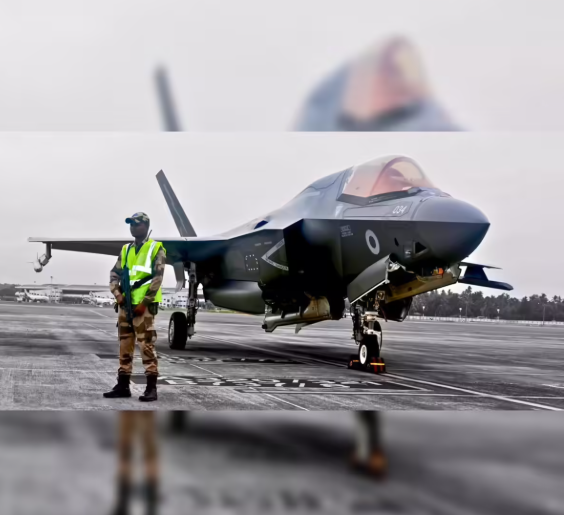
As fears of a direct U.S. military strike on Iran grow, diplomatic engagements and regional tensions are accelerating simultaneously. The standoff between Washington and Tehran — rooted in disagreements over nuclear ambitions, missile capabilities, and Iran’s internal unrest — has reached one of its most perilous points in years.
1. Enhanced U.S. Military Posture Near Iran
The U.S. military is making clear preparations for possible, prolonged offensive operations against Iran if diplomatic negotiations fail and President Donald Trump orders military action. According to multiple defense sources, these preparations could involve weekslong campaigns — far beyond isolated or symbolic strikes — targeting not just nuclear infrastructure but broader state and security assets.
-
The Pentagon is positioning additional aircraft carriers, fighter jets, destroyers, and thousands of troops in the Middle East to build a credible threat of offense and defense.
-
U.S. authorities have issued new maritime guidance for vessels in the Strait of Hormuz, underscoring concerns about clashes or disruptions near this critical global oil corridor.
2. Tehran’s Strong Warnings Against a Strike
Iran’s leadership has responded with some of its most aggressive rhetoric to date:
-
The country’s supreme leader, Ayatollah Ali Khamenei, warned that any U.S. attack would trigger a “regional war” across the Middle East, signaling that Tehran views military action as not just an attack on its forces but on the entire region’s stability.
-
Senior Iranian officials have also stated that any limited or surgical military strike would be treated as “all-out war,” promising the harshest possible response.
Iran has also been strengthening its military capabilities — rolling out domestically developed combat drones and conducting live-fire drills in strategic zones like the Strait of Hormuz — positioning itself for both defense and offense should conflict erupt.
3. High-Stakes Diplomacy Continues
Despite the rising possibility of a military confrontation, diplomatic channels remain active:
-
Iran and U.S. representatives have conducted indirect nuclear talks in Oman, and both sides are preparing for further negotiations focused primarily on Iran’s nuclear program.
-
Regional leaders — including from Turkey, Qatar, and Gulf Arab states — are actively seeking to mediate and support de-escalation, urging both Tehran and Washington to compromise to avoid war.
However, sticking points remain. Iran wants negotiations to remain strictly about nuclear limits and not expand to discuss its ballistic missile program or regional influence — aspects that the U.S. insists must be resolved for any sustained peace.
4. Internal Pressures in Iran and Regional Reactions
Iran is also facing intense domestic unrest. Large-scale protests against economic problems and political dissatisfaction have been met with severe government crackdowns, raising international concern over human rights violations. These social pressures complicate Tehran’s decision-making and fuel the U.S. narrative for possible intervention.
International actors such as the United Nations have welcomed renewed talks and urged both sides to reduce tensions before they spiral into open warfare.
5. Global Risks If Conflict Begins
The consequences of a direct military clash between the U.S. and Iran would extend far beyond their borders:
-
Regional Escalation: Warfare could draw in Iran’s allied militias and proxy groups across Iraq, Yemen, Lebanon, and Syria — turning a bilateral conflict into a Middle Eastern-wide confrontation.
-
Economic Disruption: Damage or threats along the Strait of Hormuz could sharply impact global oil and gas markets, affecting energy prices worldwide.
-
Great-Power Diplomacy: Other major powers — such as Russia and China — have cautioned against hostilities, warning that a full conflict could have ripple effects on international security and stability.
Summary: The U.S.–Iran standoff is at a historical flashpoint. With significant U.S. forces prepared for potential operations and Iran warning of catastrophic retaliation, diplomatic efforts in Oman and beyond are now central to averting open war. However, unresolved disputes over nuclear capabilities, missiles, and regional influence mean that the risk of broader conflict remains high.
If you want, I can provide a brief explainer on how this could impact global oil markets or U.S. politics — just let me know!