
United States and Iran — including both the rising risk of military conflict and parallel diplomatic efforts. This is based on the latest verified news and reporting as of February 14, 2026
Washington, D.C. / Tehran — Diplomatic relations between the United States and Iran have entered one of the most precarious phases in years, with both military pressure and negotiations intensifying simultaneously.
U.S. Military Preparations
The Pentagon has begun preparing for potentially extensive military operations against Iran that could last weeks if ordered, according to senior U.S. defense officials. This shift marks a departure from previous limited strikes and signals planning for a broader campaign against Iranian military and strategic infrastructure should diplomacy fail.
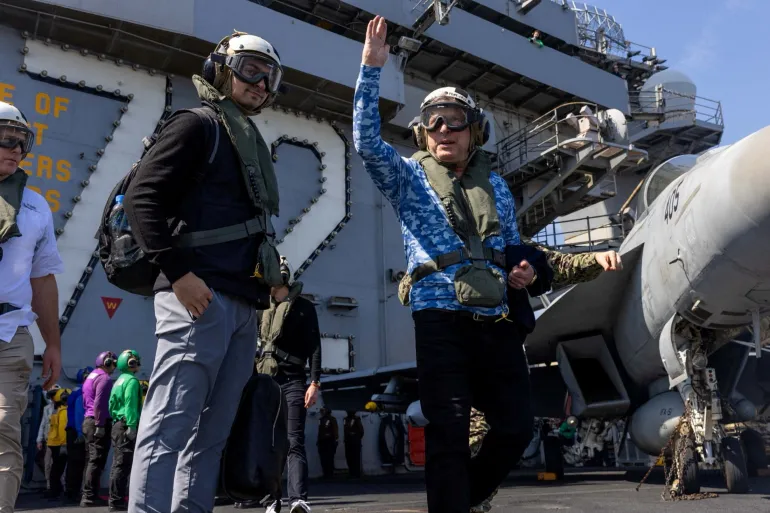
President Donald Trump has also ordered the deployment of additional military assets to the Middle East, including a second aircraft carrier — the USS Gerald R. Ford — to join the USS Abraham Lincoln already in the region. This expanded naval presence underscores U.S. determination to exert pressure on Tehran.
In a speech to U.S. troops, Trump emphasized that reducing Iran’s nuclear and military threat could require a posture of “fear,” although he expressed hope that diplomacy ultimately prevails.
Diplomacy Continues — Nuclear Talks in Geneva
Despite the military buildup, diplomatic channels remain open. A second round of nuclear negotiations between the U.S. and Iran is scheduled in Geneva next week, aimed at easing tensions and averting a direct confrontation. Senior U.S. envoys, including Jared Kushner and Steve Witkoff, are expected to participate.
These negotiations reflect a critical juncture — both sides recognize the catastrophic regional and global consequences of open warfare but remain deeply divided on key issues such as uranium enrichment limits and Iran’s ballistic missile program.
Where the Stakes Are Highest
-
Security and regional stability: High U.S. military readiness and Iranian warnings of retaliation raise the risk that any miscalculation could escalate into a broader Middle Eastern conflict.
-
Nuclear proliferation: The nuclear program remains at the center of the dispute, with Tehran insisting on its sovereign right to enrich uranium and Washington demanding verifiable limits.
-
Diplomacy versus force: While Trump continues to flirt with the idea of military options, the platform for diplomacy — particularly in Geneva and Oman — shows that neither side has yet abandoned talks entirely.
Global Repercussions
A direct U.S.–Iran clash would reverberate far beyond the Middle East:
-
Oil and energy markets could become highly volatile due to feared disruptions in key shipping routes.
-
Regional alliances might be forced to take sides, complicating already fragile relationships among Gulf states, Turkey, Russia, and China.
-
Civil liberties and internal unrest in Iran — including the deteriorating condition of political prisoners and widespread protests — layer additional complexity onto the nation’s foreign policy posture.
What Happens Next?
Analysts stress that the coming days and weeks are pivotal. If Geneva talks produce concrete agreements on nuclear limits and sanctions relief, the buildup of forces might be reversed. But if negotiations stall — especially over ballistic missiles and regional proxy dynamics — the risk of military confrontation will remain dangerously high.
Would you like a timeline of recent U.S.–Iran engagements (including key strikes, retaliations, and diplomatic developments) to put this into historical context?
You may also like

✨This 13-Year-Old’s Voice Left the World Speechless
This 13-Year-Old’s Voice Left the World Speechless 20 Million People…

They Smile at first… A Normal Start… Or So It Seemed
𝐓𝐡𝐞𝐲 𝐒𝐦𝐢𝐥𝐞𝐝 𝐚𝐭 𝐅𝐢𝐫𝐬𝐭…𝐓𝐡𝐞𝐧 𝐇𝐢𝐭 𝐭𝐡𝐞 𝐁𝐮𝐳𝐳𝐞𝐫 𝐢𝐧 𝐒𝐡𝐨𝐜𝐤” –…

✨Everyone Laughed at Her…“Everyone Laughed at Her…✦✦ Until She Sang One Note and Changed the World” — The Story of Susan Boyle
Sometimes, the most powerful moments in life begin with doubt.…